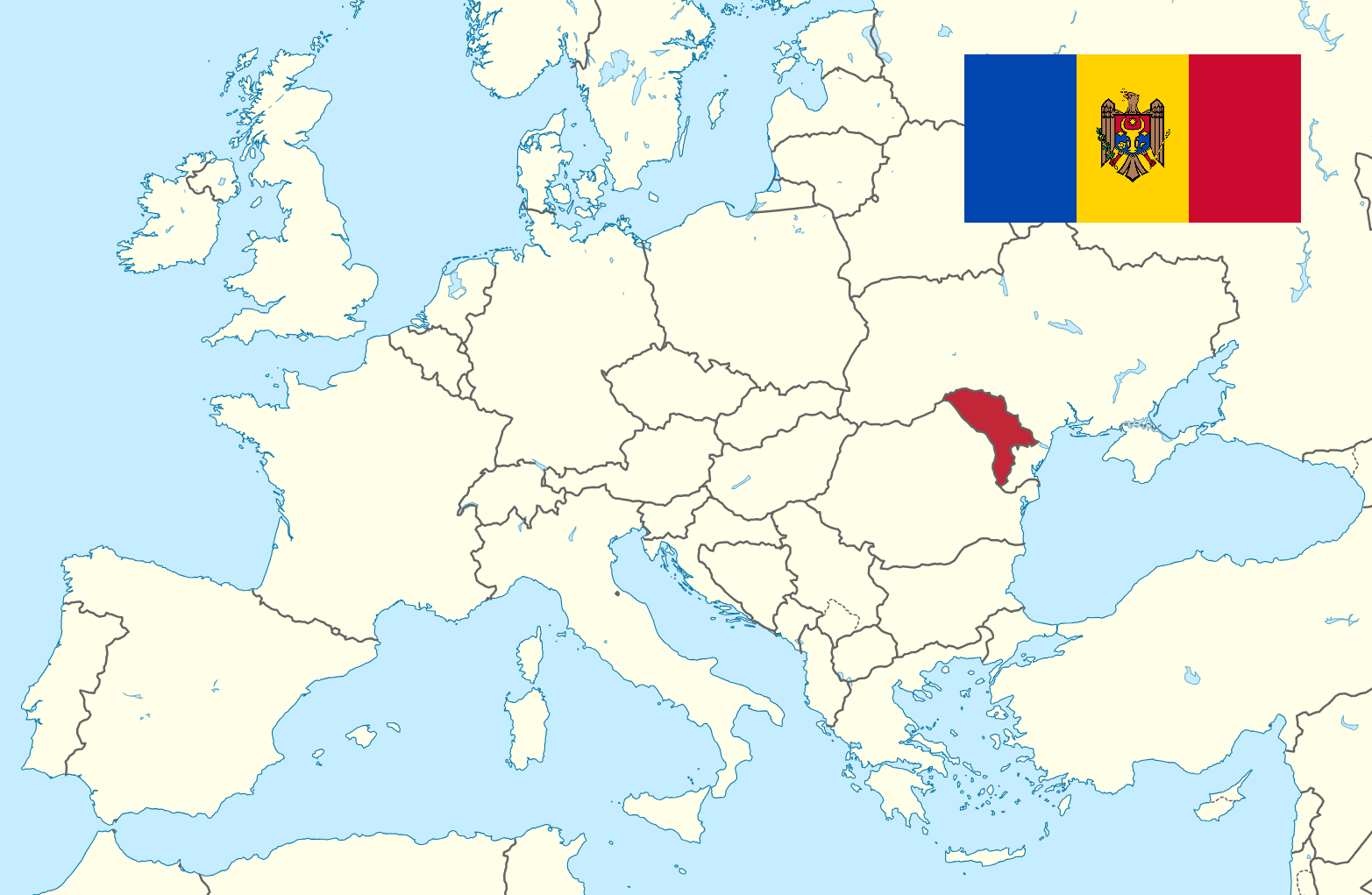
Moldova often flies under the radar when people talk about European IT hotspots, but in the last decade the country’s technology sector has quietly matured into a dynamic and competitive ecosystem. From government policies to digital infrastructure and a steadily growing talent pool, several factors are shaping Moldova into a noteworthy tech destination.
Government Support: Policies with Purpose
The Government of the Republic of Moldova has made strengthening the information technology (IT) sector a strategic priority. Recognizing IT’s potential to stimulate economic growth and create jobs, policymakers have designed frameworks to support both domestic and international firms.
A central initiative is the Moldova Innovation Technology Park (MITP) – a virtual technology park introduced to attract investment and foster industry development. Under this regime, resident companies benefit from a single, simplified tax rate of 7% on turnover, a model that reduces bureaucratic complexity and enhances predictability for businesses planning long-term operations. This tax regime is legally guaranteed until at least 2035, with operational terms extended to 2037, signaling stability and commitment from policymakers.
Beyond tax incentives, the government’s broader IT policy framework includes strategic documents such as the National Strategy for Digital Innovation and coordinated efforts to align Moldova’s digital infrastructure and regulations with European standards. Moldova has also joined the EU’s Digital Europe Programme, gaining access to digital transformation funding and expertise that can accelerate modernization across public services and private sectors.
These initiatives, coupled with labor market reforms that ease residence and work permit procedures for foreign specialists, aim to make Moldova not only an attractive place for investment but also a vibrant environment for innovation and skill development.
Internet Infrastructure: Fast, Accessible, and Cost-Effective
One of the standout advantages for IT in Moldova is its internet infrastructure. Moldova ranks among the countries with some of the fastest and most affordable internet access globally. According to recent data, Moldovan internet subscribers can access widespread gigabit-capable fiber plans, with the country ranking third worldwide in gigabit coverage. Mobile networks provide extensive 4G coverage, and 5G testing has been underway for several years.
High penetration and low broadband costs significantly lower operational barriers for tech companies and remote workers. This connectivity also advantages educational institutions and young learners: initiatives backed by UNICEF and other international partners have helped ensure that almost all schools in the country have internet access, an important foundation for digital literacy and future IT talent.
The combination of strong fixed and mobile internet access means that digital services, cloud-based development, and collaboration tools are practical and efficient for both business and education. For a small economy, Moldova’s digital infrastructure compares favorably with larger European neighbors.
Talent Pool: Educated, Multilingual, and Growing
Moldova’s IT workforce is both capable and internationally oriented. The information and communication technology (ICT) sector contributes a meaningful share to GDP – more than 10% according to recent estimates – and employs tens of thousands of professionals. Many Moldovan IT specialists are multilingual, typically fluent in Romanian and Russian, with a strong portion also proficient in English or other languages, making them effective collaborators in global teams.
Each year, over 2,000 students graduate with degrees in computing or related fields, underpinning a steady pipeline of new talent entering the market. Universities and technical institutions across Moldova offer programs in software engineering, computer science, and ICT, and international cooperation in areas like cybersecurity training underscores growing specialization within the sector.
However, challenges remain. Like many emerging markets, Moldova faces pressures around retention and competitive salaries. Some companies struggle to keep highly skilled professionals who seek higher wages in larger European markets. Still, the presence of experienced talent and a culture of continuous learning contributes to a strong internal ecosystem capable of supporting sophisticated software development, outsourcing, and digital services.
Putting It All Together
When you look at Moldova’s IT environment holistically, a few themes stand out:
- Government alignment with digital growth: Long-term policy frameworks, tax incentives, and integration with EU programs all signal a government that views IT as a cornerstone of economic competitiveness.
- Strong digital infrastructure: Fast, affordable internet access and near-universal connectivity in schools provide the technical backbone needed to support software development, remote work, and digital education.
- A capable and multilingual talent pool: Moldova produces a steady stream of IT graduates and has an active community of professionals contributing to both local and international markets.
These elements create a compelling environment for IT growth. It’s not perfect – wage competition and ongoing digital inclusion challenges are real – but the trajectory is clear: Moldova is building an ecosystem where technology companies can thrive and where professionals can develop globally competitive skills.
For stakeholders considering where to invest, expand, or collaborate, Moldova’s combination of supportive policy, digital readiness, and growing talent offers a credible and increasingly attractive option in the global tech landscape.
Credits:
https://stisc.gov.md/ro/comunicate-de-presa/republica-moldova-adera-la-programul-europa-digitala
https://invest.gov.md/en/moldovas-it-sector-eastern-europes-new-digital-hotspot
https://moldova.un.org/ro/299465-aproape-toate-%C8%99colile-din-moldova-sunt-conectate-la-internet
https://www.trade.gov/country-commercial-guides/moldova-information-and-communication-technology